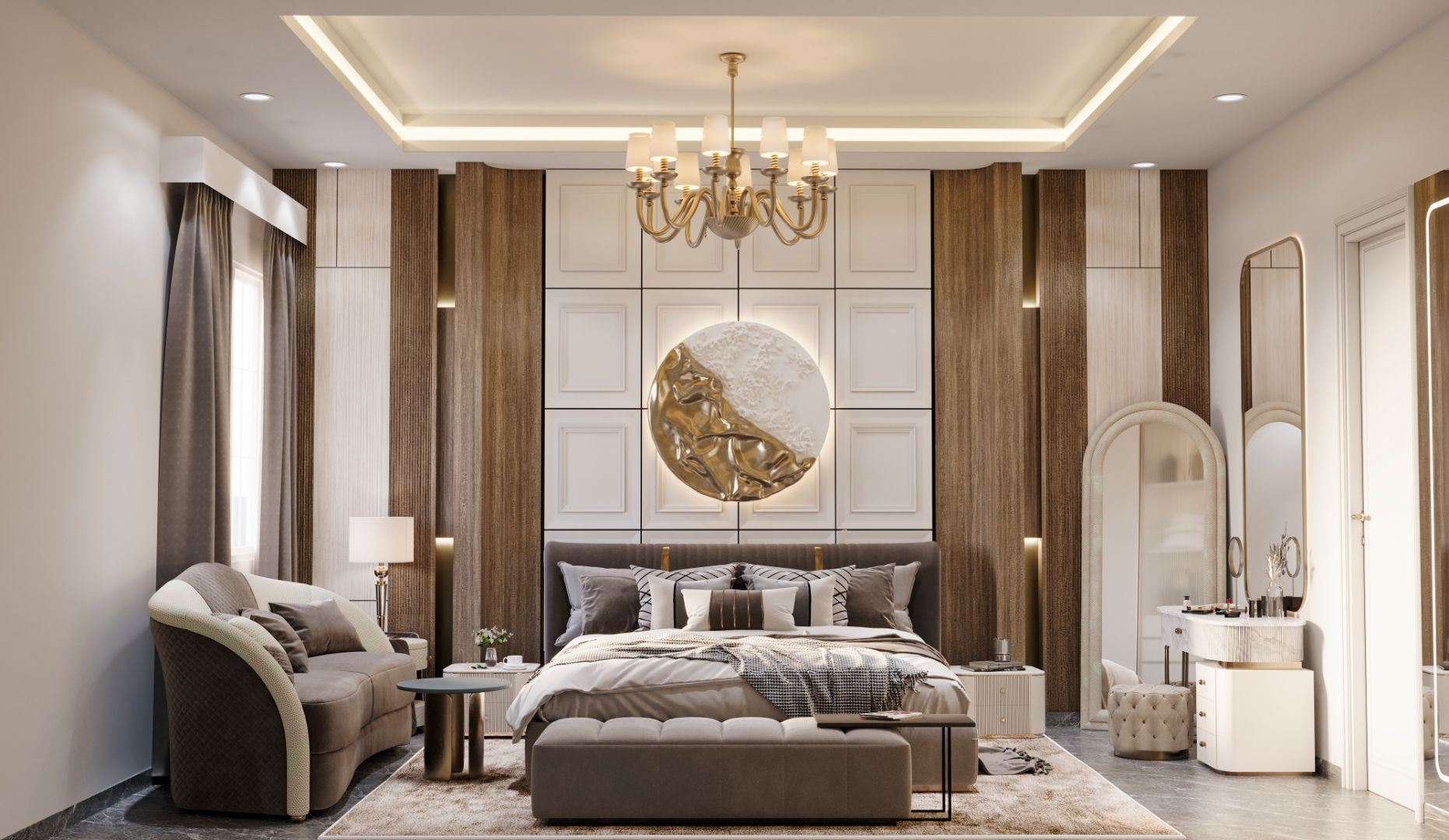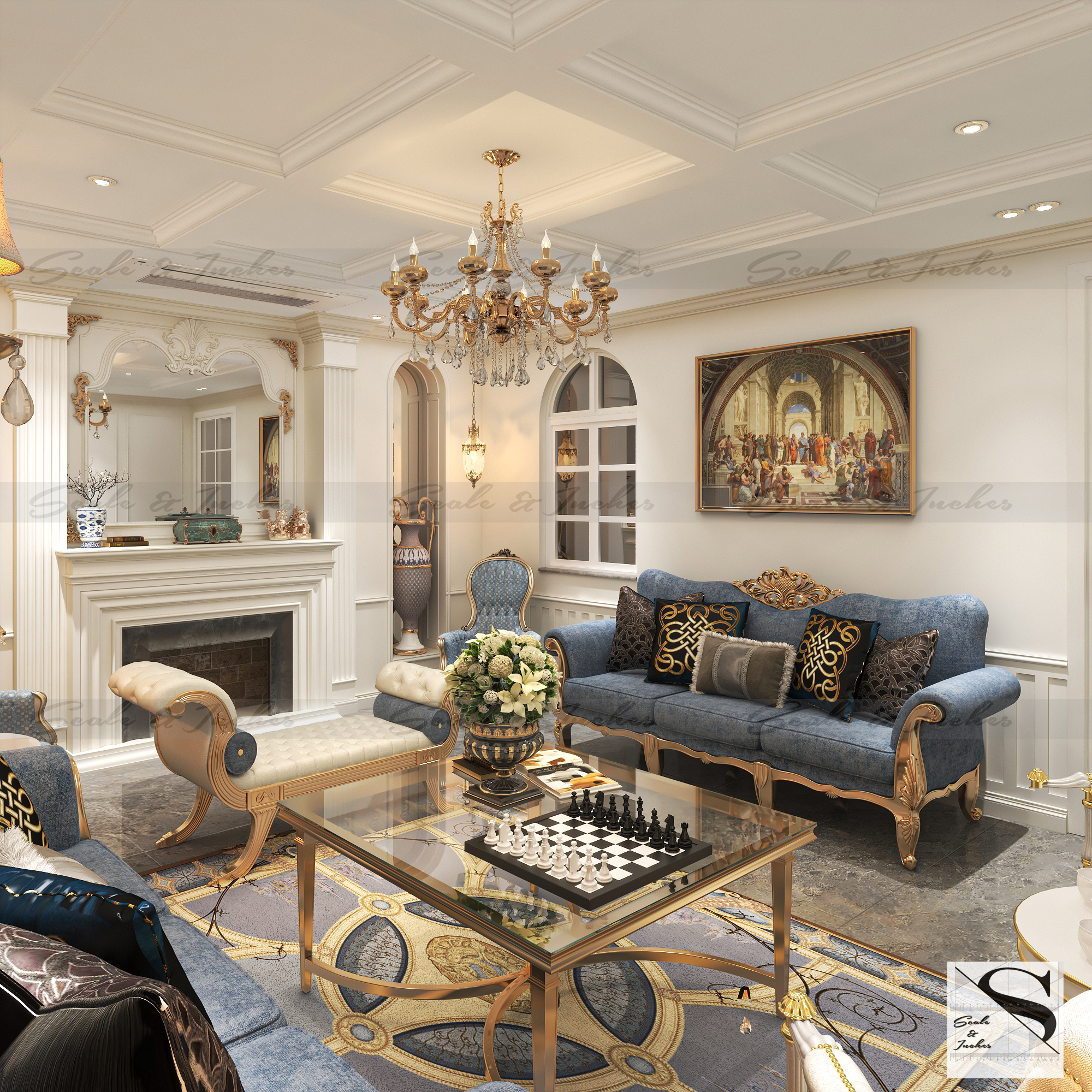
A dialogue between permanence and ephemerality — between the ancient capital's layered memory and the quiet luxury of a world that knows when to step back.
When Six Senses approached BLINK to realise their first Japanese address, the brief was deceptively simple: honour Kyoto without quoting it. The city is so thoroughly itself — so saturated with the weight of its own iconography — that the greatest risk was reverence becoming pastiche. Our answer was restraint of a particular kind: not emptiness, but discipline.
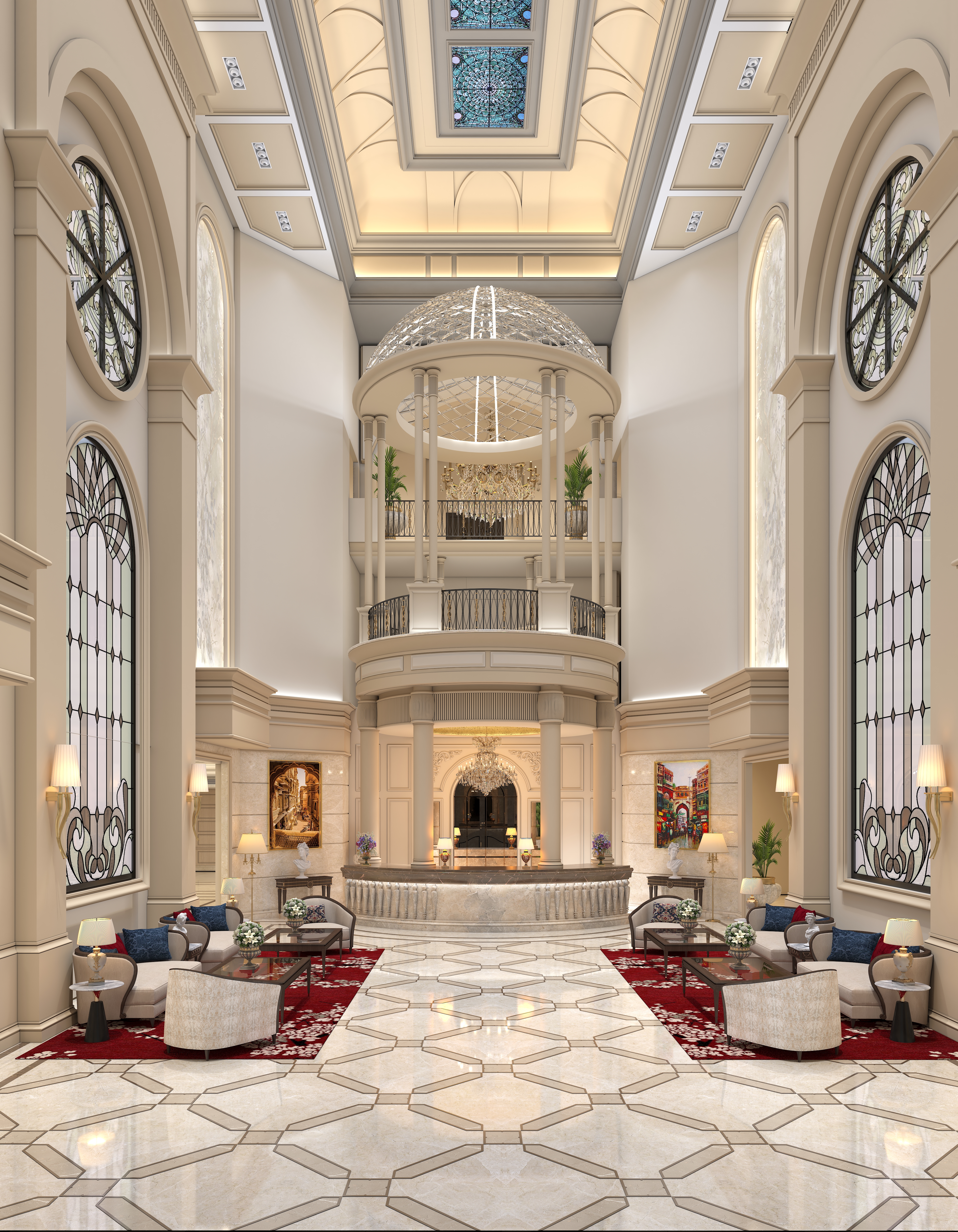
The property occupies a former machiya district east of the Kamo River, where the streetscape still reads as a sequence of narrow facades, deep shadow, and the occasional glimpse of green beyond a garden wall. BLINK's interiors honour this compression-and-release rhythm. Arrival is deliberately understated — low ceilings, rough-hewn stone, the sound of water before you see it. Then the main hall opens, and the horizon finds you.
"The greatest luxury in Kyoto is not comfort. It is the sensation that time has momentarily agreed to slow."
— Edward Poole, Creative Director, BLINK Design GroupMaterial selection drove months of conversation with local craftspeople — lacquer masters in Yamashina, washi paper artisans in Echizen, and a ceramicist whose family has worked the same clay since the Edo period. Every surface in the guestrooms carries trace evidence of a human hand. This was non-negotiable.
The four dining and beverage spaces each occupy distinct emotional registers: the robata bar channels the convivial energy of a market street; the kaiseki room is almost monastic in its stillness; the rooftop pavilion, framed by borrowed scenery from the surrounding hills, operates like a painting you can walk inside.
BLINK's spatial strategy for Six Senses Kyoto rests on three principles. First, the removal of unnecessary light — darkness is treated as material here, not absence. Second, a material palette limited to seven primary elements: stone, aged timber, washi, iron, lacquer, water, and woven textile. Third, a sequencing logic borrowed from the traditional kaiyu-shiki garden, where each movement through space reveals a new composition, always incomplete, always in process.
The spa — a collaboration with Six Senses' wellness team and a traditional onsen architect — descends two levels below grade to reach natural geothermal water. Bathing chambers are individual, carved stone volumes. The experience of descending into silence and mineral warmth is understood not as amenity but as ceremony.